


Definition of Hypoxic Ischemic Encephalopathy
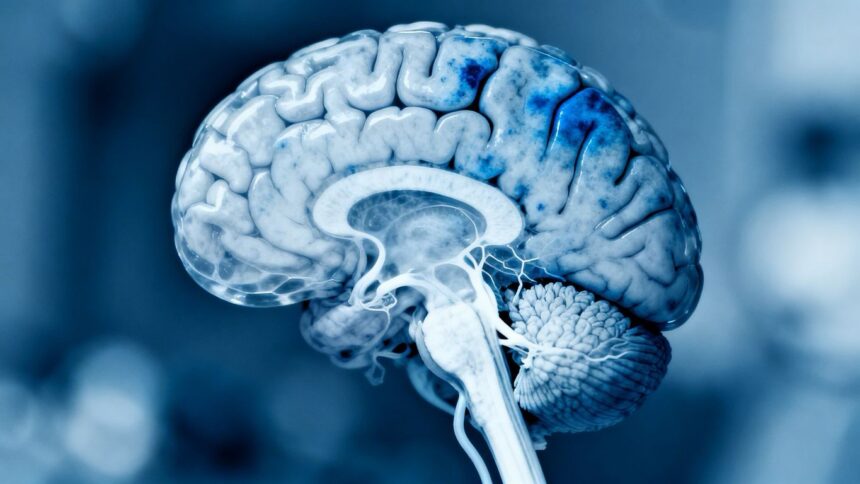
Hypoxic ischemic encephalopathy, often shortened to HIE, is a serious medical condition that happens when a baby’s brain doesn’t get enough oxygen and blood flow. This lack of vital supply can occur before, during, or shortly after birth. When the brain is deprived of oxygen and blood, brain cells can be damaged, leading to a range of potential neurological issues. This condition is sometimes referred to as birth asphyxia or neonatal encephalopathy. It’s a critical event that requires prompt medical attention to minimize harm.
- Definition of Hypoxic Ischemic Encephalopathy
- Impact on Brain Function
- Prevalence of Hypoxic Ischemic Encephalopathy
- Causes of Hypoxic Ischemic Encephalopathy
- Antepartum Factors Affecting Fetal Development
- Intrapartum Complications During Labor and Delivery
- Postpartum Events Leading to Brain Injury
- Recognizing the Symptoms of Hypoxic Ischemic Encephalopathy
- Early Signs and Neurological Changes
- Manifestations of Moderate Hypoxic Ischemic Encephalopathy
- Severe Symptoms and Immediate Concerns
- Diagnosing Hypoxic Ischemic Encephalopathy
- Clinical Assessment and Physical Examination
- Diagnostic Imaging and Neurological Tests
- Laboratory and Blood Analysis
- Management and Treatment Strategies
- Therapeutic Hypothermia Protocols
- Seizure Management and Antiseizure Medications
- Supportive Care and Oxygenation
- Prognosis and Long-Term Outcomes
- Research and References
Impact on Brain Function
The brain is incredibly sensitive to oxygen deprivation. Even a few minutes without adequate blood flow can start to cause damage. The severity of the HIE and the duration of the oxygen shortage directly influence the extent of the brain injury. This injury can affect various brain functions, including:
- Motor skills and movement control
- Cognitive abilities and learning
- Sensory processing, such as sight and hearing
- Speech and communication
The specific areas of the brain affected will determine the long-term consequences for the child. Understanding the impact is key to providing appropriate care and support.
Prevalence of Hypoxic Ischemic Encephalopathy
HIE is not an extremely common condition, but it does occur with enough frequency to be a significant concern in newborn care. It’s estimated that HIE affects somewhere between 1 to 6 infants for every 1,000 births. In the United States alone, this translates to thousands of newborns each year who experience this challenging situation. While medical advancements have improved outcomes, it remains a significant cause of neonatal morbidity and mortality, making awareness and early recognition vital for infant health.
Causes of Hypoxic Ischemic Encephalopathy
Hypoxic-ischemic encephalopathy (HIE) happens when the brain doesn’t get enough oxygen and blood flow. This can occur at different stages, affecting the developing fetus, the newborn during birth, or even older children and adults. Understanding these causes is key to prevention and timely intervention.
Antepartum Factors Affecting Fetal Development
Problems before birth can significantly impact a baby’s brain development and oxygen supply. These issues can arise from the mother’s health or the fetus’s own development.
- Maternal health conditions: Things like high blood pressure (preeclampsia) or infections during pregnancy can reduce blood flow to the placenta. Low oxygen levels in the mother’s blood can also affect the fetus.
- Fetal development issues: Abnormal development of the baby’s heart or lungs can lead to insufficient oxygenation. Certain infections, like toxoplasmosis or cytomegalovirus (CMV), can also harm the developing brain.
- Placental problems: Issues with the placenta, such as it not attaching properly or separating too early (placental abruption), can disrupt the vital supply line to the fetus.
Intrapartum Complications During Labor and Delivery
The birthing process itself carries risks that can lead to HIE. These complications often involve the umbilical cord or the physical stress of labor.
- Umbilical cord issues: The umbilical cord can become compressed, kinked, or even prolapse (drop out of place) before the baby is born. Any of these can cut off or severely reduce blood and oxygen flow.
- Difficult labor: Prolonged labor can increase the risk of complications. Uterine rupture, though rare, is a severe event that can endanger both mother and baby.
- Fetal distress: Signs that the baby is not tolerating labor well, such as changes in heart rate, can indicate a lack of oxygen.
Postpartum Events Leading to Brain Injury
While less common for HIE specifically, events occurring immediately after birth can also lead to brain injury from lack of oxygen and blood flow, especially in newborns.
- Respiratory distress: Difficulty breathing right after birth is a major concern. This could be due to underdeveloped lungs or other lung conditions.
- Cardiac problems: Heart issues in the newborn can affect the circulation of oxygenated blood throughout the body, including the brain.
- Infections and trauma: Severe infections like sepsis or meningitis, or significant head trauma shortly after birth, can also contribute to brain damage if oxygen supply is compromised.
Recognizing the Symptoms of Hypoxic Ischemic Encephalopathy
Hypoxic-ischemic encephalopathy (HIE) can present with a range of signs, and recognizing these symptoms is key to prompt medical attention. The manifestation of HIE can vary depending on the severity and the specific areas of the brain affected. Early identification of these symptoms is critical for initiating timely treatment and potentially improving outcomes.
Early Signs and Neurological Changes
In the initial stages, infants with HIE might exhibit subtle changes that can be easily overlooked. These early indicators often involve alterations in their general behavior and muscle tone. It’s important to note that these signs can also be present in other newborn conditions, making a thorough medical evaluation necessary.
- Lethargy or decreased responsiveness: The infant may appear unusually sleepy or show less interest in their surroundings.
- Abnormal muscle tone: This can manifest as either floppiness (hypotonia) or increased stiffness (hypertonia) in the muscles.
- Weak cry: The infant’s cry might be softer or less vigorous than expected.
- Feeding difficulties: Problems with sucking or swallowing can be an early sign.
- Changes in skin color: A pale, bluish, or grayish tone, particularly on the lips and extremities, may be observed.
Manifestations of Moderate Hypoxic Ischemic Encephalopathy
As the condition progresses to a moderate level, the symptoms become more pronounced and may involve more significant neurological and physiological disturbances. These signs indicate a more substantial impact on the brain’s function.
- Irritability: The infant may become unusually fussy or difficult to console.
- Poor reflexes: Primitive reflexes, such as the Moro reflex or grasp reflex, may be diminished or absent.
- Abnormal breathing patterns: This could include periods of shallow breathing, rapid breathing, or pauses in breathing (apnea).
- Seizures: These are a more significant neurological symptom and can appear as subtle twitches or more generalized convulsions.
- Reduced alertness: The infant may be difficult to arouse, even with stimulation.
Severe Symptoms and Immediate Concerns
In severe cases of HIE, the infant’s condition is critical, and they may display profound neurological impairment. These symptoms require immediate emergency medical intervention.
- Unresponsiveness: Little to no reaction to touch, sound, or pain.
- Coma: Loss of consciousness and inability to be awakened.
- Severe seizures: Prolonged or frequent seizure activity that is difficult to control.
- Cardiovascular instability: Irregular or very slow heart rate, and very low blood pressure.
- Absence of reflexes: Complete lack of primitive reflexes.
Any of these severe symptoms are a medical emergency, and immediate transport to an emergency facility is paramount.
Diagnosing Hypoxic Ischemic Encephalopathy
Diagnosing hypoxic-ischemic encephalopathy (HIE) involves a careful look at the baby’s condition and a series of tests. It’s a process that starts right away if there’s a suspicion of brain injury due to lack of oxygen and blood flow. Medical teams use a combination of clinical observations, laboratory tests, and imaging techniques to accurately identify the condition [ba9f].
Clinical Assessment and Physical Examination
The first step in diagnosing HIE is a thorough physical examination by healthcare providers. They will look for specific signs and symptoms that suggest the brain may have been affected. This includes observing the baby’s responsiveness, muscle tone, reflexes, and breathing patterns. A key tool used is the Sarnat score, which helps grade the severity of encephalopathy based on clinical findings. This clinical evaluation is critical for guiding immediate management decisions.
Diagnostic Imaging and Neurological Tests
To get a clearer picture of any potential brain damage, several imaging and neurological tests are employed. These can include:
- Electroencephalogram (EEG): This test monitors the brain’s electrical activity to detect any abnormalities, such as seizures, which are common in HIE.
- Magnetic Resonance Imaging (MRI): An MRI provides detailed images of the brain’s structure, helping to identify areas affected by oxygen deprivation.
- Cranial Ultrasound: This is often used in newborns as it’s non-invasive and can detect certain types of brain injury.
Laboratory and Blood Analysis
Laboratory tests play a supporting role in the diagnosis and management of HIE. Blood tests can help assess organ function and check for any underlying infections or metabolic issues that might have contributed to or been worsened by the hypoxic event. Analyzing blood gases from the umbilical cord can also provide valuable information about the baby’s oxygen status around the time of birth. These results, combined with the clinical assessment and imaging, help paint a complete picture of the infant’s condition and guide treatment [ba9f].
Management and Treatment Strategies
Therapeutic Hypothermia Protocols
Therapeutic hypothermia, often referred to as cooling therapy, is a cornerstone in managing hypoxic-ischemic encephalopathy (HIE). This treatment involves carefully lowering the infant’s body temperature to a specific range, typically between 32-34 degrees Celsius (89.6-93.2 degrees Fahrenheit), for a defined period, usually 72 hours. The primary goal is to reduce the brain’s metabolic rate and inflammatory response, thereby protecting brain cells from further damage caused by the initial oxygen deprivation. Initiating cooling therapy as soon as possible after birth, ideally within six hours, is critical for its effectiveness. The process requires precise monitoring of the infant’s temperature and vital signs to prevent complications associated with hypothermia. This intervention aims to mitigate the effects of oxygen deprivation on the developing brain [474c].
Seizure Management and Antiseizure Medications
Seizures are a common and serious complication of HIE, indicating significant brain dysfunction. Prompt identification and management of seizures are therefore paramount. This often involves continuous electroencephalogram (EEG) monitoring to detect even subtle seizure activity that may not be outwardly apparent. Once seizures are detected, the immediate goal is to control them using appropriate antiseizure medications. The choice of medication depends on the type and severity of the seizures, as well as the infant’s overall condition. Common medications include phenobarbital, levetiracetam, and fosphenytoin. Effective seizure control is vital not only to prevent further neuronal injury but also to improve the infant’s stability and response to other therapies.
Supportive Care and Oxygenation
Beyond specific interventions like cooling and seizure management, comprehensive supportive care is indispensable for infants with HIE. This includes maintaining adequate oxygenation and ventilation to prevent further hypoxic insults. Respiratory support, such as mechanical ventilation or supplemental oxygen, may be necessary. Nutritional support is also crucial, often requiring specialized feeding methods like nasogastric or orogastric tube feeding, as infants may have difficulty with oral feeding due to neurological impairment. Additionally, managing fluid balance, electrolytes, and blood pressure is important to support overall physiological stability. Early research suggests that ketogenic strategies might offer benefits in treating brain injury in newborns with HIE [637c]. Physical and occupational therapies may also be introduced to assist with motor development and daily functioning as the infant recovers.
Prognosis and Long-Term Outcomes
Factors Influencing Recovery
The outlook for infants diagnosed with Hypoxic Ischemic Encephalopathy (HIE) can vary quite a bit. Several things play a role in how well a child might recover. The severity of the brain injury is a big one, of course. Was the oxygen deprivation mild, moderate, or severe? This often dictates the potential for long-term effects. The promptness and effectiveness of treatment, particularly therapeutic hypothermia, also make a significant difference. Starting cooling therapy within the first few hours after birth is linked to better outcomes. Beyond the initial medical interventions, the ongoing support a child receives, including therapies like physical and occupational therapy, can greatly impact their development and ability to manage any lasting challenges.
Potential Long-Term Neurological Deficits
When HIE causes brain damage, it can lead to a range of long-term issues. These aren’t always the same for every child. Some common concerns include:
- Developmental Delays: This can affect milestones like sitting, crawling, walking, and talking.
- Motor Impairments: Conditions such as cerebral palsy can arise, impacting muscle tone, movement, and coordination.
- Cognitive Challenges: Some children may experience difficulties with learning, attention, or memory.
- Sensory Issues: Problems with vision or hearing can sometimes occur.
- Epilepsy: Seizure disorders are a known complication for some individuals who have experienced HIE.
Life Expectancy Considerations
For many infants with mild HIE, the long-term prognosis is generally positive, and life expectancy is typically not affected. However, in cases of severe HIE with significant brain damage, the impact on life expectancy can be more serious. Sadly, some infants with the most severe forms of brain injury may not survive infancy or early childhood. For those with moderate HIE, the outlook on life expectancy can be variable, but with appropriate supportive care and management of complications, many can live full lives. The goal of medical care is always to minimize brain injury and support the child’s development to achieve the best possible quality of life.