


What Is Asbestos?
Asbestos is a group of naturally occurring minerals. These minerals are made up of long, thin fibers. For thousands of years, people have used asbestos because it’s strong and doesn’t burn easily. In more recent history, especially since the Industrial Revolution, it became a popular choice for building materials. Think about insulation in older homes or fireproofing in buildings; asbestos was often used for these purposes. Its resistance to heat and corrosion made it a valuable material for many applications, including in construction as insulation and fire retardant.
- The Established Link Between Asbestos And Lung Cancer
- Factors Influencing Asbestos Lung Cancer Risk
- Duration and Intensity of Exposure
- Types of Asbestos and Their Impact
- Genetic Predisposition and Pre-existing Conditions
- Occupational Risks And Asbestos Exposure
- The Synergistic Effect Of Smoking And Asbestos
- Recognizing Symptoms And Seeking Medical Attention
- Delayed Onset of Asbestos-Related Illnesses
- Importance of Early Detection for Lung Cancer
- When to Consult a Healthcare Professional
- Go Deeper
How Asbestos Fibers Cause Lung Damage
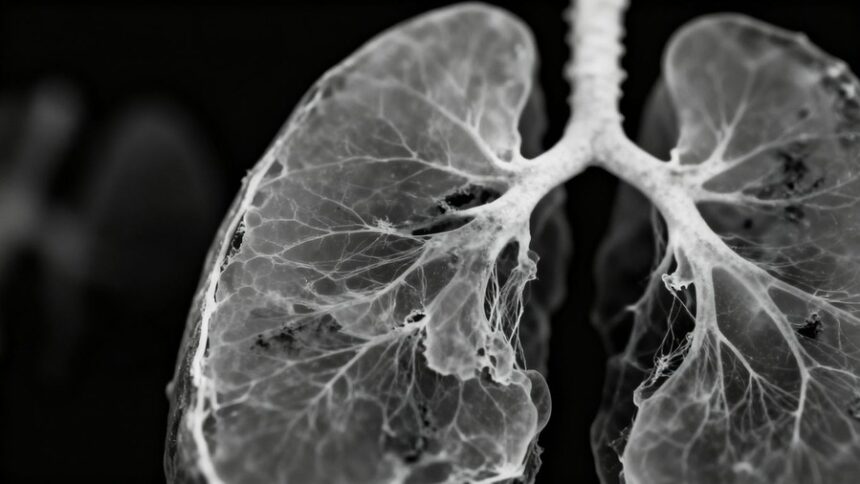
When asbestos-containing materials are disturbed, tiny fibers can become airborne. If these fibers are inhaled, they can get deep into the lungs. Once inside, these microscopic needle-like structures can cause significant harm. They lodge themselves in lung tissue, leading to inflammation and scarring over time. This chronic irritation can damage lung cells and even alter their genetic material. This cellular damage is a primary reason why asbestos exposure is linked to serious lung diseases, including cancer. The body has a hard time getting rid of these fibers, so the damage can continue for years after exposure stops. Research suggests that these fibers can interact with cells in ways that promote DNA damage and the development of diseases.
The Established Link Between Asbestos And Lung Cancer
Scientific Evidence Supporting The Connection
The connection between asbestos and lung cancer is not a new one; it’s been recognized for decades. Scientific studies, looking at large groups of people who worked with asbestos, consistently show higher rates of lung cancer compared to the general population. These studies, some dating back to the mid-20th century, have provided a solid foundation for understanding this risk. It’s important to note that while asbestos is strongly linked to mesothelioma, a specific cancer of the lung lining, it is also a significant cause of lung cancer itself. The fibers, once inhaled, can settle deep within the lung tissue. Over many years, they can cause chronic inflammation and cellular damage, which can eventually lead to the development of cancerous cells. This process means that even if someone has had asbestos exposure, the cancer might not appear for ten years or even longer after the initial exposure. The amount and duration of exposure play a big role in the likelihood of developing this disease. For those concerned about past exposure, speaking with a healthcare provider about potential screening is a good idea.
Asbestos-Related Lung Cancer Versus Other Causes
Lung cancer can arise from many different sources, but asbestos exposure creates a distinct pathway to the disease. Unlike lung cancers caused solely by smoking or environmental factors, asbestos-related lung cancer is directly tied to the inhalation of those microscopic fibers. While smoking is a major cause of lung cancer, and its risk is significantly amplified when combined with asbestos exposure (more on that later), asbestos can cause lung cancer even in non-smokers. This means that if you have a lung cancer diagnosis and a history of asbestos exposure, it’s important to discuss this with your doctor to understand all potential contributing factors. Identifying the cause is key for appropriate treatment and management. It’s worth remembering that asbestos lung cancer is more common than mesothelioma, though both are serious conditions. Understanding the specific cause can help in seeking the right medical advice and support.
Factors Influencing Asbestos Lung Cancer Risk
Several elements play a role in how asbestos exposure might lead to lung cancer. It’s not a simple one-to-one relationship; rather, a combination of factors can influence an individual’s likelihood of developing the disease.
Duration and Intensity of Exposure
The amount of time a person is exposed to asbestos and the concentration of fibers they inhale are significant. Generally, longer and more intense exposures increase the risk.
- Higher concentrations of airborne asbestos fibers lead to a greater number of fibers lodging in the lungs.
- Prolonged periods of exposure, often seen in occupational settings over many years, allow for more cumulative fiber deposition.
- The latency period between initial exposure and the development of lung cancer can be quite long, often decades, meaning past exposures can still pose a risk.
Types of Asbestos and Their Impact
There are different types of asbestos, and some may pose a greater risk than others. The most common types are chrysotile (white asbestos), amosite (brown asbestos), and crocidolite (blue asbestos). While all forms are considered hazardous, research suggests that amphibole asbestos types, like amosite and crocidolite, might be more potent carcinogens than chrysotile, though chrysotile is still a significant concern due to its widespread historical use.
Genetic Predisposition and Pre-existing Conditions
An individual’s genetic makeup and existing health conditions can also affect their susceptibility to asbestos-related lung cancer. Some people may have genetic variations that make them more vulnerable to the damaging effects of asbestos fibers. Furthermore, pre-existing lung conditions, such as chronic obstructive pulmonary disease (COPD), could potentially interact with asbestos exposure to further elevate the risk of developing lung cancer. Understanding these individual differences is key to assessing personal risk, especially for those with a history of exposure to various carcinogens.
Occupational Risks And Asbestos Exposure
Throughout much of the 20th century, asbestos was a common material used in many industries due to its heat resistance and durability. This widespread application meant that numerous workers were exposed to its harmful fibers without fully understanding the risks. The occupational setting is where the most significant asbestos exposures have historically occurred.
Industries With High Asbestos Exposure
Certain professions and industries placed workers in direct contact with asbestos-containing materials, leading to elevated exposure levels. These often involved tasks that disturbed the material, releasing fibers into the air.
- Construction and Demolition: Workers involved in building, renovating, or tearing down structures often encountered asbestos in insulation, roofing, flooring, and pipe lagging.
- Shipbuilding: The extensive use of asbestos in naval vessels for fireproofing and insulation meant that shipyard workers faced considerable exposure.
- Manufacturing: Production of asbestos-cement products, textiles, and friction materials (like brake pads and clutch facings) exposed factory workers.
- Mining and Milling: Extracting and processing raw asbestos ore directly exposed miners and mill workers.
- Automotive Repair: Mechanics, particularly those working on brakes and clutches, frequently inhaled asbestos dust released from these components.
Historical Worker Exposure And Its Consequences
For decades, the health risks associated with asbestos were not widely known or were downplayed. This led to prolonged exposure for many individuals, often without adequate protective measures. As a result, a significant number of former workers have developed or are at risk of developing asbestos-related diseases, including lung cancer. The latency period for these illnesses can be very long, meaning symptoms may not appear for 10 to 40 years or more after the initial exposure. This delayed onset makes it challenging to connect current health issues to past occupational exposures, but the link is well-established through scientific research and existing studies.
Even after asbestos was banned or heavily regulated in many countries, individuals who worked in these industries during peak usage periods continue to be at risk. The consequences of this historical exposure are a continuing public health concern, underscoring the importance of awareness and medical monitoring for those with a history of working with asbestos.
The Synergistic Effect Of Smoking And Asbestos
When considering the risks associated with asbestos exposure, it is important to acknowledge the significant impact that smoking has on lung health. The combination of inhaling asbestos fibers and smoking tobacco products creates a dangerous interaction that dramatically increases the likelihood of developing lung cancer. This combined effect is far more potent than the sum of each risk factor acting alone.
How Smoking Amplifies Asbestos Risks
Asbestos fibers, once inhaled, can become lodged in the lungs, causing irritation and damage over time. Smoking introduces a host of other harmful chemicals into the lungs, which can exacerbate this damage. The chemicals in cigarette smoke can interfere with the lungs’ natural cleaning mechanisms, making it harder for the body to clear out asbestos fibers. Furthermore, smoking can promote inflammation and cellular changes in the lungs, creating an environment where asbestos-induced damage is more likely to lead to cancer.
Studies have quantified this amplified risk. For instance, while asbestos exposure alone might increase lung cancer risk by a factor of five, and smoking by a factor of ten, the combination can elevate the risk by as much as fifty times compared to someone exposed to neither factor. This multiplicative effect highlights how profoundly smoking can worsen the dangers posed by asbestos. Even if you smoked, it may still be possible to file a legal claim for lung cancer if your diagnosis is linked to asbestos exposure.
Quantifying the Combined Risk Multiplier
The interaction between asbestos and smoking is not simply additive; it is multiplicative. This means that the combined risk is greater than just adding the individual risks together. Research has shown that:
- Individuals who smoke are approximately 10 times more likely to develop lung cancer than non-smokers.
- Those with asbestos exposure are about 5 times more likely to develop lung cancer compared to individuals without such exposure.
- However, individuals who both smoke and have been exposed to asbestos can face a risk that is up to 50 times higher than those exposed to neither risk factor.
This dramatic increase underscores the severity of the synergistic effect. The specific way asbestos fibers interact with the lung tissue, combined with the constant assault from cigarette smoke, creates a perfect storm for cancer development. A study modeling the exposure-response relationship indicated a 6.8% increase in lung cancer risk for every unit increase in fibre-years of exposure, a correlation that is significantly worsened by smoking [9034]. Understanding this amplified danger is critical for individuals who have experienced both types of exposure.
Recognizing Symptoms And Seeking Medical Attention
Delayed Onset of Asbestos-Related Illnesses
It’s important to understand that illnesses linked to asbestos exposure, including lung cancer, often take a long time to develop. The damage caused by inhaling asbestos fibers can silently progress for many years, sometimes decades, before any noticeable symptoms appear. This lengthy latency period means that individuals might not connect their current health issues with past exposures, especially if those exposures occurred many years ago. Conditions like asbestosis, a scarring of the lungs, typically show symptoms 20 to 30 years after initial contact with asbestos [ab2d]. This delayed manifestation makes early diagnosis a significant challenge.
Importance of Early Detection for Lung Cancer
When lung cancer is detected in its early stages, the chances for successful treatment are significantly higher. For instance, the 5-year survival rate for lung cancer caught early is around 59 percent, a stark contrast to the approximately 20.5 percent survival rate when diagnosed at later stages. Early detection is therefore paramount. Symptoms can be subtle and may mimic other respiratory conditions, making prompt medical evaluation vital if you have a history of asbestos exposure. Prompt medical attention can make a critical difference in outcomes.
When to Consult a Healthcare Professional
If you have a history of working in industries where asbestos was common, such as construction or shipbuilding, or if you have any other known asbestos exposure, it is wise to be vigilant. You should seek medical advice if you experience any of the following persistent symptoms:
- A cough that doesn’t go away
- Chest pain, particularly when breathing deeply or coughing
- Shortness of breath or difficulty breathing
- Unexplained fatigue or weakness
- Unintended weight loss
- Frequent lung infections
It is also important to inform your doctor about your past asbestos exposure. This information is key for them to consider asbestos-related conditions when evaluating your symptoms and ordering appropriate diagnostic tests, such as CT scans or bronchoscopies. If you suspect your lung condition is related to past asbestos exposure, consulting with a healthcare professional is the first step toward diagnosis and potential treatment. For those facing a diagnosis and considering their legal options, seeking guidance from an attorney experienced in asbestos cases is also advisable [7bcb].