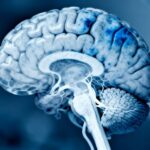



Cerebral palsy affects how a person moves and coordinates their body. This can show up in many ways, and it’s not the same for everyone. Some people might have muscles that are too tight, making movements jerky or stiff. This is often called spasticity. Others might have muscles that are too loose, feeling floppy. These variations in muscle tone can make everyday actions, like reaching for something or sitting up, quite challenging.
- Recognizing Spasticity and Muscle Tone Variations
- Identifying Ataxia and Balance Challenges
- Addressing Tremors and Involuntary Movements
- Observing Posture and Gait Abnormalities
- Recognizing Speech and Eating Difficulties
- Assessing Delays in Speech Development
- Understanding Challenges with Speaking Clearly
- Addressing Issues with Sucking, Chewing, and Swallowing
- Managing Drooling and Feeding Concerns
- Identifying Developmental and Cognitive Manifestations
- Noting Delays in Motor Skill Milestones
- Understanding Learning Disabilities
- Recognizing Intellectual Disabilities
- Addressing Delayed Growth Patterns
- Exploring Other Neurological and Sensory Symptoms
- Understanding Seizures and Epilepsy
- Addressing Vision and Hearing Impairments
- Recognizing Sensory Processing Issues
- Managing Bladder and Bowel Concerns
- Observing Early Signs in Infancy
- Noticing Feeding Difficulties in Babies
- Identifying Unusual Muscle Tone
- Recognizing Reflex and Movement Patterns
- Observing Favoritism of One Body Side
- Understanding Associated Conditions
- Recognizing Chronic Pain and Fatigue
- Addressing Mental Health and Behavioral Issues
- Identifying Attention-Deficit/Hyperactivity Disorder (ADHD)
- Understanding Autism Spectrum Disorder Links
- Notable Sources
Recognizing Spasticity and Muscle Tone Variations
Spasticity is the most common symptom seen in cerebral palsy. It means muscles are constantly tense, which can lead to stiffness and awkward movements. Imagine trying to bend an arm that feels like it’s fighting you every step of the way. This can affect arms, legs, or even the whole body. Muscle tone can also go the other way, with muscles being too relaxed or ‘floppy.’ This lack of firmness can make it hard to hold a posture or control movements. These differences in how muscles feel and work are key indicators.
Identifying Ataxia and Balance Challenges
Ataxia refers to a lack of coordination and balance. People with ataxia might have trouble with steady movements. Simple things like walking can feel unsteady, almost like trying to walk on a slippery surface. They might sway or have difficulty keeping their balance, especially when standing still or trying to do tasks that require fine motor control. This can make activities that most people take for granted, like picking up small objects, quite difficult.
Addressing Tremors and Involuntary Movements
Some individuals with cerebral palsy experience tremors, which are shaking movements that are hard to control. These can happen when trying to perform a voluntary action, like writing or eating, or they might occur even when the body is at rest. Other involuntary movements, sometimes called dystonia, can cause twisting or repetitive motions that are not part of a person’s intended action. These movements can be unpredictable and interfere with daily tasks.
Observing Posture and Gait Abnormalities
How a person holds their body and walks, known as posture and gait, can also show signs of cerebral palsy. This might include walking on the toes, a scissor-like walk where the knees cross, or a wide, unsteady stance. Posture might be unusual, with the body leaning in a certain way or having difficulty maintaining an upright position. These patterns are often a result of the underlying muscle tone and coordination issues. Understanding these movement and coordination symptoms is a vital step in recognizing cerebral palsy.
Recognizing Speech and Eating Difficulties
Difficulties with speech and eating are common in individuals with cerebral palsy, stemming from challenges in controlling the muscles involved in these functions. These issues can significantly impact communication and nutrition.
Assessing Delays in Speech Development
Parents and caregivers may notice that a child with cerebral palsy reaches speech milestones later than their peers. This can include delayed babbling, saying their first words, or forming simple sentences. Early identification of these delays is important for timely intervention.
Understanding Challenges with Speaking Clearly
Muscle stiffness or weakness, characteristic of cerebral palsy, can affect the muscles of the mouth, tongue, and throat. This can lead to speech that is difficult to understand, sometimes described as slurred or slow. The coordination needed for clear articulation requires precise muscle control, which can be impaired.
Addressing Issues with Sucking, Chewing, and Swallowing
Infants and children may struggle with the complex motor actions involved in feeding. This can manifest as:
- Difficulty with the sucking reflex during breastfeeding or bottle-feeding.
- Problems coordinating chewing movements.
- Challenges in moving food from the front to the back of the mouth for swallowing.
These difficulties can sometimes lead to inadequate nutrition and growth.
Managing Drooling and Feeding Concerns
Involuntary drooling can occur if there are issues with controlling saliva or the muscles involved in swallowing. For feeding, individuals might require adaptive utensils or modified food textures to eat safely and efficiently. In some cases, a feeding tube may be necessary to ensure adequate nutritional intake.
Identifying Developmental and Cognitive Manifestations
Cerebral palsy can affect how a child develops and learns. It’s not just about movement; the brain differences that cause CP can also impact cognitive abilities and overall growth patterns. Recognizing these signs is key to providing the right support.
Noting Delays in Motor Skill Milestones
Parents often notice that their child isn’t reaching typical physical achievements at the expected times. This can include things like:
- Not sitting up independently by around 7-9 months.
- Difficulty with crawling or not crawling at all.
- Delayed walking or an unusual way of walking.
These delays are often among the first indicators that a child might have cerebral palsy, prompting further medical evaluation. It’s important to remember that every child develops differently, but consistent delays can be a sign that something needs attention. You can track these milestones with your pediatrician, who can help identify if there are developmental delays that warrant investigation.
Understanding Learning Disabilities
Some children with cerebral palsy may experience challenges with learning. This doesn’t necessarily mean an intellectual disability, but rather specific difficulties in certain academic areas. These can include problems with:
- Reading and writing.
- Math skills.
- Understanding complex instructions.
These learning differences require tailored educational approaches to help the child succeed in school.
Recognizing Intellectual Disabilities
In some cases, cerebral palsy is associated with intellectual disabilities. This means a person may have significant limitations in both intellectual functioning (like reasoning, learning, and problem-solving) and adaptive behavior (everyday social and practical skills). The severity can vary greatly, and it’s important to approach each individual with an understanding of their unique capabilities.
Addressing Delayed Growth Patterns
Children with cerebral palsy might also show slower physical growth compared to their peers. This can result in them being smaller in stature than expected for their age. This delayed growth is often linked to the underlying neurological condition and can sometimes be related to feeding difficulties or increased energy needs due to muscle tone issues. Medical professionals monitor these growth patterns closely as part of the overall assessment of a child’s well-being and development, which can be part of a broader understanding of CP.
Exploring Other Neurological and Sensory Symptoms
Beyond the more commonly recognized movement and speech challenges, cerebral palsy can also present with a range of other neurological and sensory symptoms. These can significantly impact an individual’s daily life and require specific attention and management strategies.
Understanding Seizures and Epilepsy
Some individuals with cerebral palsy may experience seizures, which are a hallmark of epilepsy. Brain damage that causes CP can also affect the brain’s electrical activity, leading to these episodes. Seizures can vary widely in presentation, from brief lapses of attention to full-body convulsions. Managing epilepsy often involves a combination of medication and lifestyle adjustments. It’s important for caregivers and individuals to work closely with healthcare providers to find the most effective treatment plan.
Addressing Vision and Hearing Impairments
Difficulties with vision and hearing are not uncommon in individuals with cerebral palsy. These can manifest in various ways:
- Vision problems: This might include issues with eye muscle coordination, where the eyes don’t track together properly, or more general visual impairments. Some may experience reduced visual fields or difficulty with depth perception.
- Hearing impairments: Some individuals may have trouble hearing certain sounds or frequencies, which can affect communication and awareness of their surroundings.
Early identification and intervention are key. Regular screenings for vision and hearing should be part of routine care, and appropriate aids, such as glasses or hearing devices, can make a substantial difference. For those with specific eye movement issues, therapies might help improve visual tracking and focus.
Recognizing Sensory Processing Issues
Sensory processing differences are another aspect that can affect individuals with cerebral palsy. This means the brain may have trouble receiving, organizing, and responding to information that comes in through the senses. This can lead to over- or under-sensitivity to things like touch, sound, light, or movement. For example, some might find certain textures unbearable, while others might seek out intense sensory input. Understanding these sensory sensitivities is vital for creating supportive environments and adapting activities to reduce distress and promote comfort.
Managing Bladder and Bowel Concerns
Neurological damage associated with cerebral palsy can sometimes affect the nerves that control bladder and bowel functions. This can lead to challenges such as:
- Urinary incontinence (difficulty controlling urination)
- Constipation or difficulty with bowel movements
- Urinary tract infections
These issues require careful management, often involving dietary changes, specific fluid schedules, medication, or other therapeutic interventions. Open communication with healthcare professionals is important to address these concerns effectively and maintain dignity and comfort.
Observing Early Signs in Infancy
It can be challenging to identify cerebral palsy in very young children, as many symptoms are subtle and may not become apparent until later. However, parents and caregivers are often the first to notice when something seems different. Paying close attention to a baby’s movements, muscle tone, and feeding habits during the first few months can provide important clues. Early recognition is key to seeking timely medical advice and intervention.
Noticing Feeding Difficulties in Babies
Feeding can present a number of challenges for infants with cerebral palsy. These issues often stem from difficulties with muscle control in the mouth and throat. Signs to watch for include:
- Trouble latching onto the breast or bottle.
- A weak or ineffective suck.
- Choking or gagging frequently during feeds.
- Taking a very long time to finish a bottle or meal.
- Spitting up or vomiting often.
These feeding problems can sometimes lead to slower weight gain, which is another indicator that warrants a discussion with a pediatrician. Addressing these early can make a significant difference in a baby’s overall well-being and development. You can find more information on infant feeding challenges.
Identifying Unusual Muscle Tone
Muscle tone refers to the tension in a muscle when it’s at rest. In infants, variations in muscle tone can be one of the earliest indicators of a neurological condition like cerebral palsy. There are two main types of unusual muscle tone to observe:
- Hypotonia (Floppy Baby): The baby may feel unusually limp or ragdoll-like when held. They might have difficulty lifting their head or keeping it steady, and their limbs may seem overly relaxed.
- Hypertonia (Stiff Baby): The baby might appear unusually stiff or rigid. Their arms and legs may be difficult to move, and they might arch their back excessively when held.
It’s important to note that some babies might show a mix of these tones, or their tone might change over time. Any significant deviation from what is typically observed in infants should be brought to a doctor’s attention.
Recognizing Reflex and Movement Patterns
Infants are born with certain reflexes that help them survive and develop. As they grow, these reflexes typically fade, and more voluntary movements emerge. With cerebral palsy, these patterns can be altered.
- Persistent Primitive Reflexes: Reflexes that should disappear after a few months (like the Moro reflex or tonic neck reflex) may remain. This can interfere with the development of more advanced motor skills.
- Abnormal Movement Patterns: Instead of smooth, coordinated movements, an infant might exhibit jerky, involuntary, or exaggerated movements. They might also struggle with tasks like bringing their hands to their mouth or grasping objects.
- Delayed Motor Milestones: While not strictly a reflex, the inability to achieve typical motor milestones, such as rolling over, sitting up without support, or crawling by the expected age, can be a significant sign.
Observing Favoritism of One Body Side
Another sign that might be noticed in infancy is a consistent preference for using one side of the body over the other. This is sometimes referred to as hemiparesis or unilateral motor impairment. For example, a baby might consistently reach for toys with only their right hand, or they might always turn their head to look in one direction. While babies do develop dominant hands, a strong and consistent preference very early on, especially when combined with other signs like uneven muscle tone or delayed motor skills, warrants further investigation. This early indication can help in planning for therapies that support the development of both sides of the body.
Understanding Associated Conditions
Cerebral palsy itself is a complex condition, and it often comes with other health concerns that aren’t directly part of the movement disorder. These can pop up at any age, and managing them is a big part of living well with CP. It’s not just about the muscles; the brain’s development can affect other systems too.
Recognizing Chronic Pain and Fatigue
Many individuals with cerebral palsy experience ongoing pain. This can stem from a few places. Muscles that are constantly tight or working in unusual ways can become sore. Joints might also ache, especially if they’ve been under extra stress due to posture or movement differences. Over time, this can lead to a general feeling of tiredness, or fatigue, making everyday tasks feel much harder. It’s like your body is working overtime just to do simple things, and it wears you out.
Addressing Mental Health and Behavioral Issues
Living with a chronic condition can take a toll on emotional well-being. Some people with CP may face challenges like depression or anxiety. This isn’t a sign of weakness; it’s a natural response to dealing with physical limitations, potential social isolation, or the daily effort required to manage symptoms. Behavioral changes can also occur, and understanding these requires looking at the whole person.
Identifying Attention-Deficit/Hyperactivity Disorder (ADHD)
ADHD is another condition that can sometimes be seen alongside cerebral palsy. This might show up as difficulties with focus, impulsivity, or being overly active. These symptoms can sometimes overlap with or complicate the challenges already presented by CP, making it important for healthcare providers to consider all aspects of a person’s health.
Understanding Autism Spectrum Disorder Links
There’s also a connection that can be observed between cerebral palsy and autism spectrum disorder (ASD). While CP primarily affects movement, ASD impacts social interaction, communication, and behavior. When both are present, it means a person might face a unique set of challenges that require tailored support and understanding. Recognizing these associated conditions is key to providing holistic care.